 Distrito de Lanshan, Escuchar, Provincia de Shandong
 info@daming-alu.com
 8615588128836


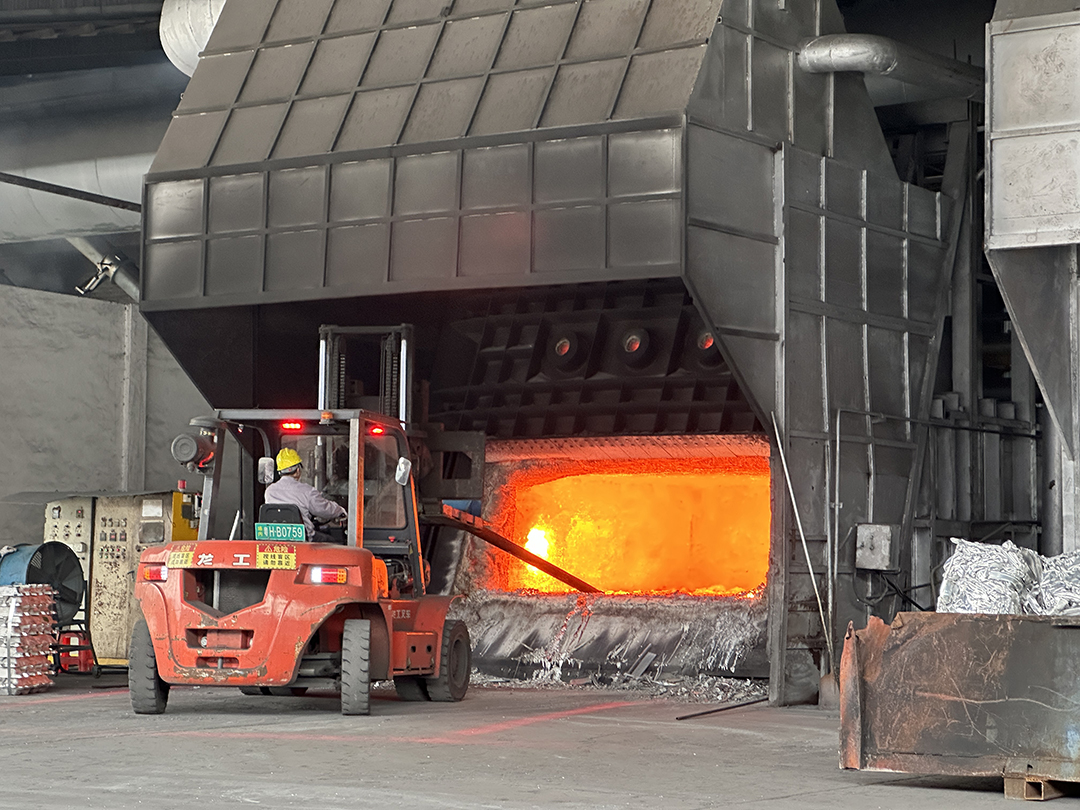
Cuando se trata de extrusión de aluminio, la calidad del perfil final comienza mucho antes de la prensa de extrusión. Comienza con el tocho de aluminio, la materia prima central que determina la resistencia., acabado superficial, y rendimiento general.
Y nuevo aluminio de represa, Nos tomamos en serio esta fundación.. Con nuestro propio taller interno de fundición de palanquillas., Garantizamos un control total sobre la calidad desde el primer paso..
¿Qué es una palanquilla de aluminio??
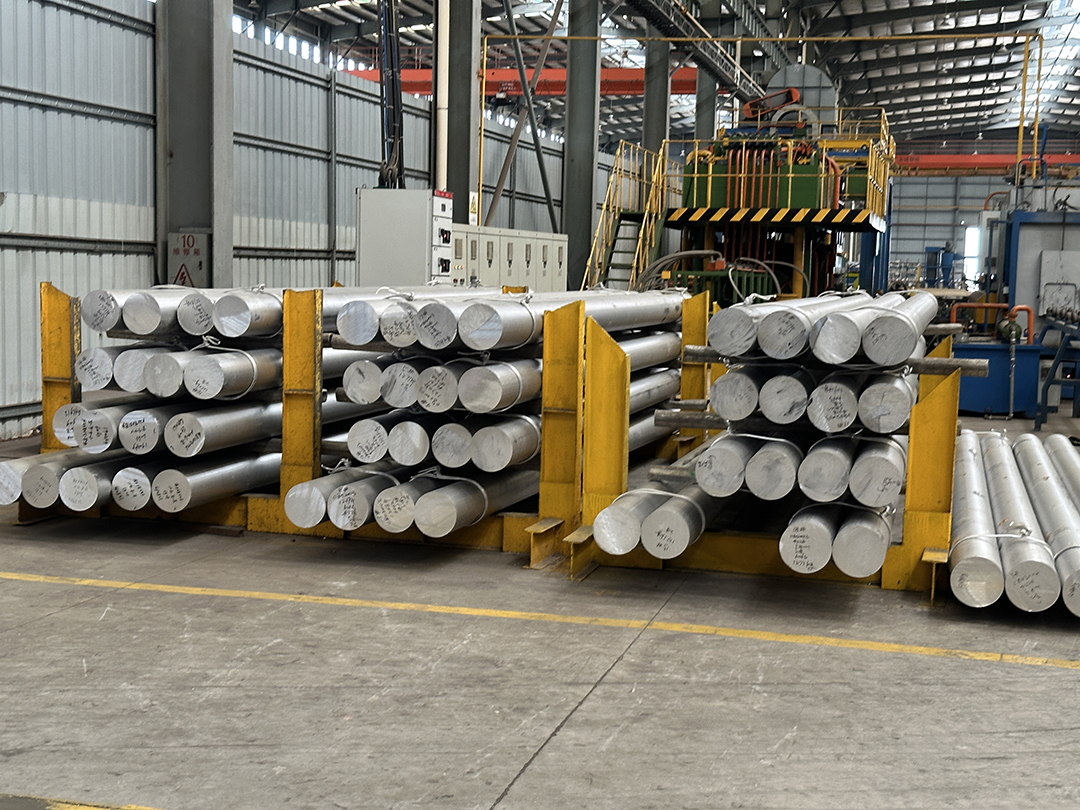
Un tocho de aluminio es una barra cilíndrica sólida de aleación de aluminio., Producido específicamente para extrusión.. Posteriormente, estos tochos se calientan y se empujan a través de troqueles para crear diversos perfiles de aluminio utilizados en la construcción., industria, y aplicaciones de muebles.
La consistencia y pureza de la palanquilla afectan directamente al producto final, lo que hace que la producción de palanquilla sea una etapa crítica de todo el proceso..
Cómo se producen las palanquillas de aluminio
El proceso de fabricación de palanquillas implica varios pasos clave.:
- 1. Selección de materia prima & Fusión
Lingotes de aluminio de alta calidad., combinado con elementos de aleación cuidadosamente controlados, se funden en hornos avanzados. El control preciso de la composición garantiza que la palanquilla cumpla con los estándares mecánicos y químicos requeridos.. - 2. Ajuste de aleación
Elementos como el magnesio., silicio, o se añade cobre dependiendo de la aleación deseada (p.ej., 6061, 6063). Este paso define la fuerza., resistencia a la corrosión, y trabajabilidad de los perfiles de aluminio finales. - 3. Desgasificación & Purificación
Para garantizar la calidad interna, impurezas y gases (como el hidrógeno) se eliminan mediante procesos de refinación. Esto minimiza defectos como la porosidad y mejora la integridad estructural.. - 4. Fundición
El aluminio fundido se funde en palanquillas cilíndricas utilizando tecnología de fundición avanzada.. El enfriamiento uniforme es esencial para mantener una estructura de grano consistente en toda la palanquilla.. - 5. Homogeneización
Las palanquillas reciben un tratamiento térmico para eliminar la tensión interna y garantizar una distribución uniforme de los elementos de aleación.. Este paso mejora significativamente el rendimiento de la extrusión y la calidad de la superficie..
Nuestra ventaja: Fundición interna de palanquilla
Y nuevo aluminio de represa, Operamos nuestro propio taller de fundición de palanquillas., permitiéndonos controlar cada detalle del proceso.
Podemos suministrar palanquillas de aluminio con diámetros que van desde Ø90 mm a Ø320 mm, Cumplir con diversos requisitos de extrusión, desde perfiles arquitectónicos estándar hasta grandes secciones industriales..
Beneficios clave:
- Control de calidad estable desde la materia prima hasta el perfil terminado
- Producción flexible para diferentes grados y especificaciones de aleaciones
- Plazo de entrega mejorado con fabricación integrada
- Rendimiento mejorado en consistencia de extrusión y acabado superficial
Por qué es importante la calidad de la palanquilla
Muchos problemas en los perfiles de aluminio, como defectos superficiales, fuerza inconsistente, o resultados de anodizado deficientes: a menudo se puede atribuir a la calidad de la palanquilla.
Controlando la producción de palanquilla internamente, New Daming asegura:
- Mejor acabado superficial después del anodizado o recubrimiento en polvo
- Mayor resistencia mecánica y durabilidad.
- Reducción de defectos y desperdicios de extrusión.
Conclusión
En extrusión de aluminio, la excelencia comienza en la fuente. Una palanquilla de alta calidad no es sólo una materia prima: es la columna vertebral de los perfiles de aluminio superiores..
Con capacidades de fundición avanzadas y estricto control de calidad., El nuevo Daming Aluminium ofrece soluciones de palanquilla confiables que respaldan una calidad constante, resultados de extrusión de alto rendimiento.
Buscando un fabricante confiable de perfiles de aluminio con fundición interna de palanquillas?
Contacte con New Damming Aluminio hoy para conocer más sobre nuestras capacidades de producción integrada.